Professional Mice Control Pickering for home mice removal solutions
Professional Mice Control Pickering for home mice removal solutions
Blog Article
A mouse in your home often does not stay alone for long. A house mouse can get inside through a gap smaller than a coin, reach food and shelter, then reproduce inside wall voids, basements, attics, or cupboards. Early action helps prevent property damage, health concerns, and the need for more extensive mouse removal.
Professional Mice Control Pickering services cover more than setting mouse traps. A proper response includes a pest inspection, identification of mouse activity, safe treatment, entry-point sealing, sanitation advice, and a follow-up inspection. The goal is to resolve the current mouse infestation and reduce the chance of a recurring infestation.
Mosquito Man is one business name homeowners may find when researching pest services. Regardless of the provider you contact, ask how the inspection works, which treatment methods are proposed, and how the technician will check for new activity after treatment.
Signs of a Mice Problem in Your Home
Mice are often busiest at night, so you may spot signs before you see a live animal. Look for mouse droppings beside walls, inside cabinets, behind appliances, near stored food, and around basement or attic insulation. Fresh droppings often appear dark and moist. Older droppings turn dry and lighter in colour.
Other signs of mice include gnaw marks on food packaging, wood, plastic, and wiring. Scratching noises in walls or ceilings may indicate movement through voids. A stale, musky smell can come from mouse urine, especially in enclosed areas with little airflow.
Mouse nests are often made from shredded paper, cardboard, fabric, insulation, or other soft material. Check quiet spaces behind appliances, under cabinets, in storage areas, and near heating equipment. A single sighting does not always reveal the size of the problem. Dropping locations, odours, noise, and nesting material give a clearer picture of mouse activity.
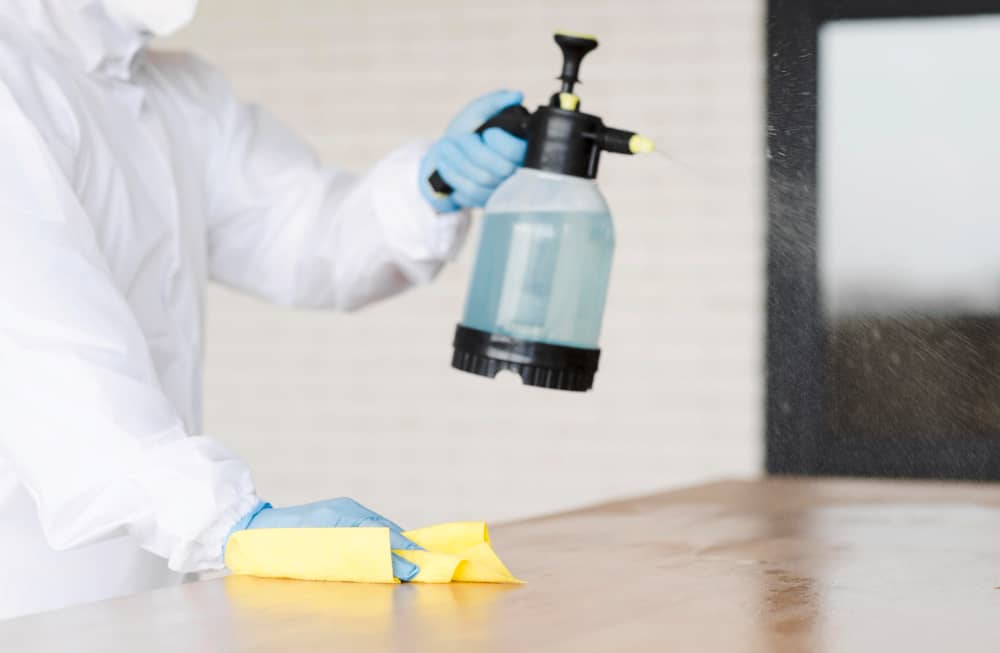
Do not sweep or vacuum mouse droppings while they are dry. Dropping cleanup should begin by airing out the area, wearing gloves, wetting the material with an appropriate disinfectant, and wiping it up with disposable towels. Follow the product directions and wash your hands after removing the waste.

What Draws Mice Inside?
Mice get indoors because they find steady food, water, and shelter. Food crumbs under appliances, along baseboards, or beneath dining areas can encourage mice. Even small amounts left overnight may attract a house mouse.
Stored food becomes a problem when it sits in cardboard boxes, thin plastic bags, or open packages. Transfer grains, cereal, pet food, baking ingredients, and snacks into sealed containers with closely fitted lids. Inspect packages for gnaw marks before placing them in cupboards.
Garbage also provides food sources. Use bins with secure lids, clean spills promptly, and avoid leaving food waste indoors for extended periods. Pet bowls should be emptied and cleaned rather than left full overnight if mice are active.
Clutter gives mice places to hide and build mouse nests. Stacks of paper, unused fabric, cardboard boxes, and stored items near walls can conceal droppings and entry points. Keep storage off the floor where possible, leave space around walls, and inspect quiet areas regularly.
Moisture click here for more info can make a home more appealing. Repair leaking pipes, dripping taps, and damp areas near foundations. Good sanitation will not close a gap in the structure, but it reduces the food and shelter that allow a small problem to grow.
How Professional Mice Control Helps
A qualified service starts with a property inspection. The technician searches for droppings, gnaw marks, odours, nests, runways, damaged materials, and likely entry points. The inspection should include interior and exterior areas, including the basement, attic, garage, utility spaces, storage rooms, and the perimeter of the building.
The findings shape a mouse control plan. This plan may include trapping, exclusion, sanitation changes, and follow-up visits. A helpful inspection report should explain where mouse activity was found, what conditions support it, which repairs are needed, and how progress will be measured.
Trapping is most effective when traps are placed along mouse travel routes. Mice often move beside walls and objects instead of crossing open floors. A technician may set several mouse traps near droppings, nesting areas, or other evidence of activity, then adjust the placement based on results.
Professional pest control should also deal with the reason mice entered. Removing a few animals without repairing entry points can lead to another home infestation. Follow-up visits help confirm whether trapping worked, whether new droppings appeared, and whether exclusion work needs adjustment.
Identifying Mouse Entry Points
Mice can pass through very small openings. Common entry points include foundation cracks, gaps around basement windows, door gaps, damaged vents, and openings around pipes or cables. Inspect the area where the foundation meets the soil, as well as corners, joints, and places where building materials meet.
Door sweeps help close the space beneath exterior doors. A damaged or poorly fitted sweep can leave a continuous passage into a basement, garage, or utility area. Check side doors, garage doors, and doors leading from attached spaces into the home.
Utility penetrations are another common route. Pipes, cables, ducts, and conduit may pass through walls without a tight seal. Look for utility openings beneath sinks, behind appliances, around heating equipment, and near electrical service areas. Do not disturb electrical components. A qualified professional should handle difficult or hazardous repairs.
Openings around the roofline may allow mice a path into attics. Inspect soffits, fascia, roof vents, chimney areas, and places where roofing materials meet walls. Tree branches and climbing surfaces can make upper-level access easier, so trimming vegetation away from the structure may improve rodent prevention.
Gap Sealing and Exclusion Work
Exclusion means blocking access so mice cannot enter or move freely through the building. Small holes may be filled with steel wool before being covered with a durable sealant. Steel wool alone may shift, rust, or be pulled apart, so it should form part of a properly secured repair.
Hardware cloth can protect larger openings around vents, crawl spaces, and other vulnerable areas. Choose a sturdy mesh and fasten it firmly to sound material. Flexible screens or weak patches may not withstand gnawing.
Caulking can seal narrow cracks around stationary surfaces, window frames, and some utility openings. The product must match the material and exposure. Large foundation cracks, damaged masonry, and moving joints may need a specialized repair method.
A technician may identify rodent-proof materials based on the location, size, and function of each gap. Entry-point sealing should not cover required ventilation, drainage, or equipment access. Before sealing a suspected nest area, make sure that mice are not trapped inside the structure.
Good exclusion may include steel wool, hardware cloth, caulking, metal flashing, fitted door sweeps, and other suitable materials. The correct choice depends on the surface and the size of the opening. This work is often the difference between short-term mouse removal and lasting control.
Mouse Control Traps, Bait, and Safety Points
Spring traps remain a widely used tool for managing mice indoors. They can provide a fast result when placed properly along active runways. A technician selects trap locations based on visible clues rather than placing traps randomly in the center of a room.
Live traps may seem appealing, but they require frequent checks and cautious handling. Releasing a captured mouse does not repair the entry points that allowed it inside. The animal may also come back or enter another building if released in the area. Ask a professional about local rules and the best safe option for your situation.
Mouse poison requires extra caution. Poison bait can harm children and pets if they reach it, and a mouse may die inside a wall or other inaccessible area. Bait must be used according to the product label and relevant regulations. It should never be placed where other animals can access it.
Children and pets should stay away from all mouse traps and bait stations. Place equipment in secure areas, use secured stations where appropriate, and follow all label directions. Tell the technician about pets, children, food preparation areas, and any concerns about wildlife before treatment starts.
Non-lethal trapping and integrated pest management may form part of a safe treatment plan. Integrated pest management combines checking, sanitation, exclusion, monitoring, and targeted control methods. The right approach depends on the building, the level of activity, and the hazards identified.
Problems of Allowing a Mouse Infestation Untreated
Mice can harm electrical wiring by biting through insulation around cables. Damaged electrical wiring may pose a serious fire risk and should be inspected by a qualified electrician. Do not handle exposed or damaged wires yourself.
Insulation can also suffer from nesting, urine, droppings, and repeated movement. Compressed or contaminated insulation may lose performance and may need professional inspection or removal. Property damage often carries on even when mice are not often visible.
Contaminated surfaces can occur in cupboards, storage areas, attics, wall voids, and food preparation spaces. Mouse urine and droppings may spread contamination beyond the place where you first notice it. Wear suitable protective equipment and follow proper cleaning procedures.
Allergens from mouse urine, droppings, saliva, and dander may increase symptoms for sensitive people. Health concerns can be greater for children, older adults, and anyone with respiratory conditions. If someone experiences unusual breathing symptoms after exposure, seek health advice.
When to Hire a Mouse Control Professional
Call a qualified pest technician when you see recurring sightings, several droppings, or new damage after trying routine cleaning and fixes. Ongoing evidence shows that mice still have access to food, shelter, or an unsealed way into the house.
Mouse problems in hidden areas need special attention. Scratching sounds behind walls, unpleasant smells, disturbed insulation, and droppings in areas you cannot reach safely may show mouse activity in enclosed areas. A technician has specialist tools and practical experience that can help track mouse movement without unnecessary damage to the building.
Calling a professional also makes sense when the home includes young children, animals, vulnerable people, or restricted areas. A technician can describe trap safety, bait risks, cleaning up droppings, and exclusion priorities before work starts.
Ask what the service includes. A sound mice control visit should explain the findings from the inspection, proposed treatment plan, treatment locations, repairs to entry points, sanitation steps, and follow-up inspection process. Ask whether return visits are included or priced separately.
Preventing Mice from Coming Back
Focus first on food storage. Keep dry goods, pet food, and snacks in secure containers. Remove food crumbs quickly, wipe counters, and inspect the space beneath appliances. Do not rely on packaging that mice can chew through.
Sanitation strengthens long-term rodent prevention. Take out garbage regularly, wash bins, remove spilled food, and keep recycling areas clean. Keep pet food securely and avoid leaving uneaten food out overnight.
Complete entry-point repairs around the entire home. Review foundation cracks, door gaps, utility openings, vents, windows, roofline areas, and places where pipes enter walls. Entry-point sealing should be checked after severe weather and after building work.
Clear clutter in basements, garages, attics, and storage rooms. Keep items in durable containers instead of loose cardboard. Keep items away from walls so you can see droppings, gnaw marks, and other signs of mice during routine checks.
Ongoing monitoring can reveal mouse activity early. Check quiet areas every few weeks, especially after colder weather begins or after nearby construction. Keep notes about sightings, droppings, trap results, and repairs. If evidence returns, arrange a follow-up inspection before the infestation expands.
Frequently Asked Questions
How can I tell if I have mice in my Pickering home?
Watch for mouse droppings, gnaw marks, scratching noises, urine odours, mouse nests, and damaged food packaging. A live sighting is one sign, but several small clues often reveal a larger mouse infestation. A pest inspection can locate active areas and possible entry points.
What attracts mice to homes in Pickering?
Mice seek food sources, water, warmth, and shelter. Food crumbs, stored food, garbage, pet food, clutter, and openings around the building can all allow mouse activity. Better sanitation helps, but it must be paired with entry-point repairs.
How do I seal mouse entry points effectively?
Check foundation cracks, door gaps, utility openings, vents, windows, and roofline gaps. Small holes may require steel wool and a suitable sealant, while larger openings may need hardware cloth or metal repairs. Install durable rodent-proof materials and avoid blocking ventilation or drainage.
Are mouse traps suitable near children and pets?
Mouse traps are only safe when positioned where children and pets cannot reach them. Snap traps can cause harm, and rodenticide can be toxic if swallowed. Use safer placements, locked bait stations where appropriate, and follow the product label. Tell the technician about all household pets and children before work begins.
When do I need to call a mice control professional?
Call a professional pest technician after repeated sightings, multiple droppings, persistent scratching, fresh gnaw marks, or signs of a hidden infestation. Professional help is also useful when mice have reached insulation, wall voids, attics, or areas near electrical wiring.
How much does mice control cost in Pickering?
Mice control cost depends on the size of the home, the level of mouse activity, the number of entry points, the treatment method, and whether exclusion or follow-up visits are required. Request a written inspection report and ask for separate pricing for trapping, repairs, sanitation advice, and monitoring.
Do mice damage insulation or electrical wiring?
Yes. Mice may shred or compress insulation for mouse nests and contaminate it with urine and droppings. They can also gnaw electrical wiring, which may create a fire hazard. Have damaged wiring assessed by a qualified electrician and ask a pest professional to address the mouse activity and access routes.
How can I prevent mice from returning?
Store food in sealed containers, maintain good sanitation, remove clutter, secure garbage, repair foundation cracks and door gaps, and seal utility openings. Continue ongoing monitoring in quiet areas and arrange a follow-up inspection if droppings, odours, or scratching return.
Report this page